Nobody warns you that “getting back in shape” after having a baby feels like training for a marathon on two hours of sleep. The top rated fitness habits for new parents adjusting to newborns have nothing to do with crushing workouts or following some influencer’s postpartum shred plan. They’re quieter than that. Simpler. I spent my first three months as a parent figuring this out the hard way, and honestly, I wish someone had just been straight with me from the start.
1. Walk Before You Run (Literally, Just Walk)
Walking saved my sanity during the newborn phase. I’m not talking about power walking with ankle weights. I mean putting the baby in the stroller and moving your legs outside for 20 to 30 minutes.
Fresh air does something for your brain that no pre-workout supplement can replicate. My partner and I started doing a morning loop around our neighborhood at 7 a.m., and it became the one thing that made us feel human again. The Uppababy Vista handled sidewalks and park trails without any fuss, which helped us stay consistent. If you do nothing else on this list, walk daily. It counts more than you think.
2. Redefine What a “Workout” Means Right Now
Your pre-baby fitness identity might need a temporary shelf. That 60-minute gym session? Not realistic when your baby cluster feeds from 5 to 9 p.m. and you haven’t showered since yesterday.
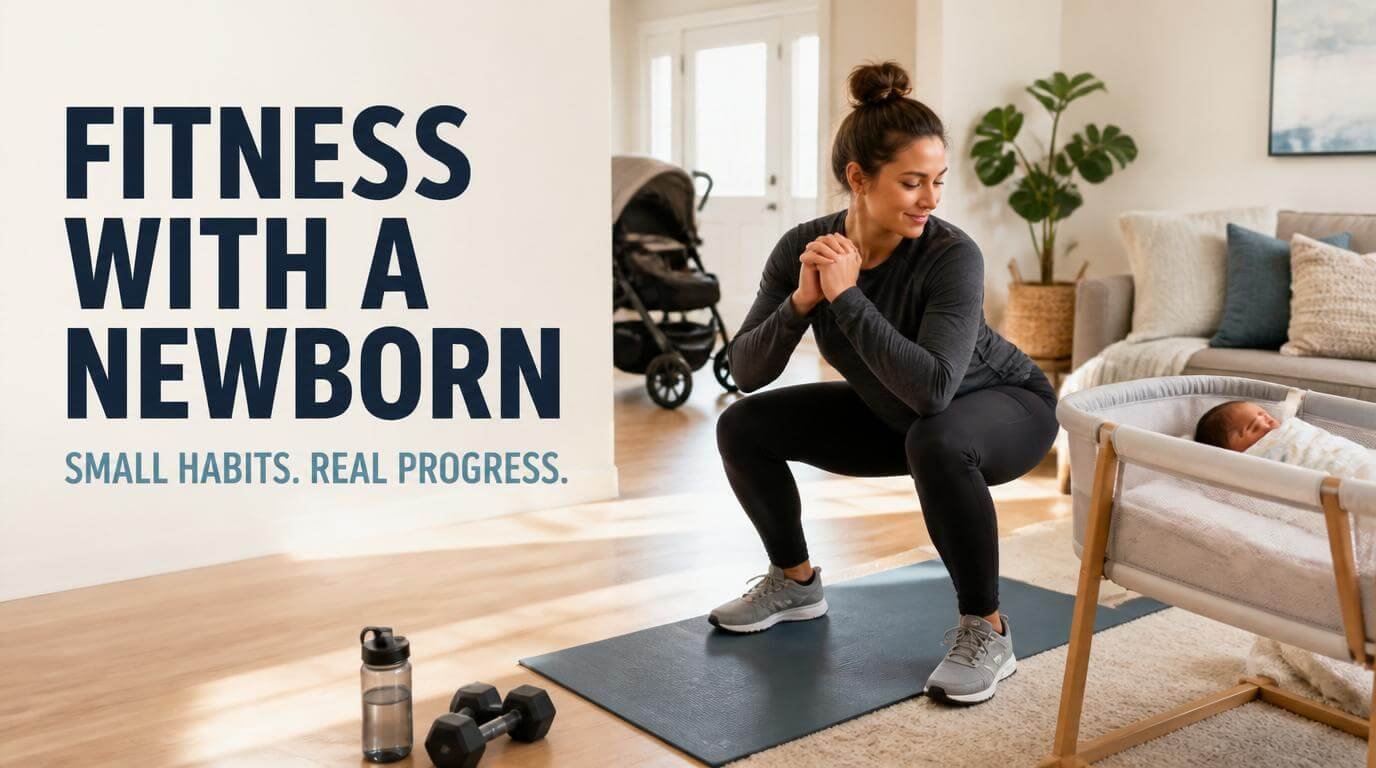
A workout during the newborn stage can be 10 minutes of bodyweight squats and push-ups in your living room. I used the Peloton app (you don’t need the bike) for their 10 and 15 minute strength classes, and those short sessions kept me from feeling completely disconnected from fitness. The goal isn’t performance. It’s consistency, even in tiny doses. Five minutes beats zero minutes every single time.
3. Sleep Is a Fitness Habit, Not a Luxury
I know this sounds like something you’d read on a motivational poster, but hear me out. Sleep directly affects muscle recovery, hormone regulation, and your ability to make good food choices. When I was running on four broken hours, I craved sugar constantly and had zero energy to move.
Prioritizing sleep over a workout is not lazy. It’s strategic. If the baby naps and you have to choose between a 20-minute nap yourself or a 20-minute HIIT session, take the nap. Your cortisol levels are already high enough from the stress of keeping a tiny human alive. Rest brings them down. Working out when you’re depleted just pushes them higher.
4. Babywearing Workouts Actually Work
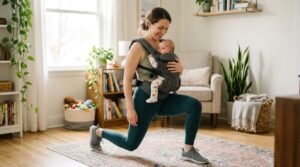
Strapping your baby to your chest in a carrier and doing household chores or going for a hike is a legit workout. My 9-pound newborn turned into a 14-pound newborn pretty fast, and carrying that extra weight while doing lunges in the kitchen added up.
The Ergobaby Omni 360 was our go-to carrier because it distributed weight across my hips and shoulders evenly. Some days, my “workout” was just vacuuming, doing laundry, and walking up and down the stairs with the baby strapped to me. I tracked it once on my Apple Watch, and I burned over 400 calories in a couple of hours. Not bad for someone who never technically “exercised.”
5. Build Fitness Into Baby’s Schedule, Not Around It
One of the top rated fitness habits for new parents adjusting to newborns is stopping the fight against your baby’s unpredictable routine and building movement into whatever chaos already exists. Waiting for the “perfect time” to work out means you’ll never work out.
I started doing calf raises while warming bottles. Wall sits during tummy time. Glute bridges on the play mat while my daughter stared at her black-and-white contrast cards. None of it felt like exercise in the traditional sense, but my body responded. After six weeks of these micro-movements scattered throughout the day, I noticed real changes in my energy and strength. The trick is attaching movement to things you already do.
6. Fuel Your Body Like an Athlete, Even If You Don’t Feel Like One
Skipping meals because you’re too busy feeding the baby is a trap I fell into hard. By 2 p.m. some days, I’d realize I hadn’t eaten anything except a handful of trail mix and cold coffee. Then I’d demolish half a pizza at dinner because my body was running on fumes.
Meal prepping on Sundays became non-negotiable for us. We’d batch cook overnight oats, chicken and rice bowls, and cut up fruits and veggies for grab-and-go snacking. Protein was the biggest priority because it kept me full longer and helped with muscle recovery from even my small workouts. I aimed for 25 to 30 grams per meal, which usually meant Greek yogurt, eggs, or a quick protein shake. Simple stuff. Nothing fancy.

7. Follow Postpartum-Specific Programs
Generic fitness programs don’t account for diastasis recti, pelvic floor weakness, or the fact that your body just did something extraordinary. I made the mistake of jumping back into regular ab exercises at four weeks postpartum and felt a weird pulling sensation that scared me enough to stop and actually research what I should be doing.
Programs like Every Mother (formerly Every Mother’s Advocate) and the MUTU System are designed specifically for postpartum recovery. They focus on rebuilding your core and pelvic floor before layering on intensity. I used Every Mother for about 12 weeks, and it genuinely fixed the two-finger gap I had in my abdominals. Getting clearance from your OB or midwife before starting any program is critical, not optional. Most providers do a postpartum check around six weeks, so use that appointment to ask specific questions about what movements are safe for your body.
8. Find an Accountability Partner Who Gets It
Working out alone when you’re exhausted and overwhelmed is tough. Having someone who understands the newborn fog makes a massive difference. My neighbor had a baby two months before me, and we started texting each other every morning with what we planned to do that day, even if it was just “I’ll stretch for five minutes during the first nap.”
That small commitment to another person kept me from completely falling off. We eventually started walking together with our strollers three mornings a week, and those walks turned into the highlight of my week. You don’t need a personal trainer. You need one person who won’t judge you for showing up in yesterday’s sweatpants.
9. Use the Right Apps and Tools to Stay on Track
Technology can be your best friend here if you pick the right tools. I tried about a dozen fitness apps before settling on what actually worked for the newborn lifestyle.
The Nike Training Club app has excellent short workouts you can filter by time and equipment (or no equipment). For tracking steps and general movement, my Fitbit Charge 6 kept me honest about how active I actually was versus how active I felt. FYI, some days I was convinced I’d been moving nonstop, but my step count told a very different story. The data helped me set realistic daily goals, like hitting 6,000 steps instead of the aspirational 10,000 that wasn’t happening anytime soon.
10. Give Yourself Grace Without Giving Up
This might be the most important habit on the entire list. Fitness after a baby isn’t linear. Some weeks you’ll crush your goals. Other weeks, the baby will have a sleep regression, someone will get a cold, and your “workout” will be carrying a screaming infant while bouncing on a yoga ball at 3 a.m.
That still counts as physical activity, by the way. The parents who maintain top rated fitness habits for new parents adjusting to newborns aren’t the ones who never miss a workout. They’re the ones who miss a week, then start again without beating themselves up. I skipped two full weeks around month two because my daughter had colic and I was a zombie. When I came back to my walks and 10-minute sessions, my body remembered. Yours will too.
Frequently Asked Questions
When can new parents safely start exercising after having a baby?
Most doctors clear patients for light exercise around six weeks postpartum, but everyone’s recovery is different. If you had a C-section or complications, it could take longer. Always get explicit clearance from your healthcare provider before starting anything beyond gentle walking. Pushing too early can set your recovery back significantly.
What are the best fitness habits for new parents adjusting to newborns on zero sleep?
Focus on low-intensity movement like walking, gentle stretching, and bodyweight exercises you can do in 10-minute bursts. Skip anything high-impact when you’re severely sleep-deprived because your coordination and recovery are both compromised. Prioritize sleep over exercise on the really rough days, and pick movement back up when you’ve gotten a slightly better night.
Do I need a gym membership to stay fit with a newborn?
Absolutely not. Most new parents get better results working out at home because it removes the barrier of packing a diaper bag and driving somewhere. Apps like Nike Training Club and YouTube channels like Sydney Cummings offer free, effective home workouts. A yoga mat and a set of adjustable dumbbells are all you really need.
How do I find time to exercise with a newborn?
Stop looking for a dedicated time block and start attaching movement to routines you already have. Do squats during bottle warming. Walk during the baby’s stroller nap. Stretch during tummy time. These micro-workouts add up throughout the day and eliminate the need to carve out a separate hour that probably doesn’t exist right now.
Is it normal to feel guilty about exercising instead of spending time with my baby?
Completely normal, and also completely unnecessary. Taking 15 to 20 minutes for your physical health makes you a better, more patient, more energized parent. Your baby won’t remember that you did push-ups during their nap. They will benefit from having a parent who feels strong and mentally clear. IMO, exercise is one of the least selfish things you can do.
Can I work out while babywearing?
Yes, with some precautions. Stick to low-impact exercises like walking, lunges, and squats. Avoid jumping, running, or any movement that bounces the baby excessively. Make sure your carrier supports the baby’s head and neck properly, and that you can maintain good posture throughout. Carriers like the Ergobaby or BabyBjorn Harmony work well for active movement.
Conclusion
Getting fit with a newborn doesn’t require heroic effort or a perfect plan. It requires showing up in small ways, being kind to yourself on the hard days, and trusting that those 10-minute sessions actually matter. What’s one small fitness habit you’ve managed to keep alive since your baby arrived?